
When we bought our first home, we were young, excited—and totally unaware of how much quiet responsibility comes with maintaining a house full of expensive systems and appliances. We skipped the inspection because we were in a time crunch—our lease was ending, and we had to move quickly. At the time, it felt like a small risk to save time, and we bought a home warranty, so we figured we’d learn the rest as we went.
We learned quickly.
The year after we moved in—right in the middle of a brutal heat wave and a series of other new homeowner headaches (the basement flooding story is one for another time)—our furnace broke down. Thankfully, the warranty covered the call, but it was so hot in the house that we had to uproot our three kids and move in with our parents while we waited for a repair. Thankfully, the warranty covered the service call, and while they could replace the unit relatively quickly, it still took a week just to get us on the schedule. In the end, we had to replace the entire system just months after moving in.
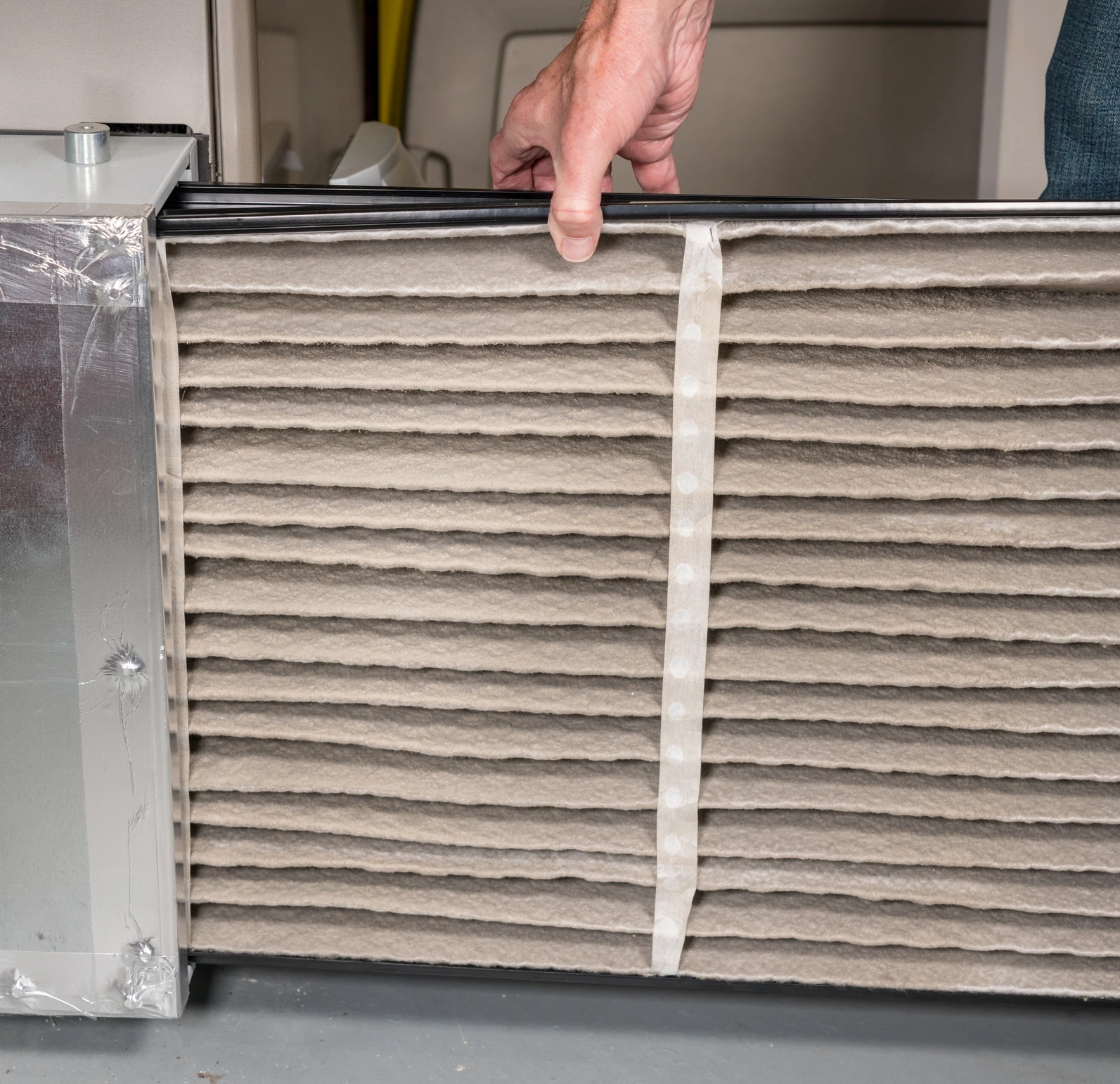
You’d think we would’ve learned our lesson right then and there—but one year later, in another wave of extreme heat, it happened again. Our brand-new system began to struggle, and we came dangerously close to freezing the motherboard simply because we hadn’t changed the air filter. That tiny detail—one we hadn’t taken seriously—nearly cost us another full replacement.
Looking back, it was a classic first-time homeowner story. We just didn’t know how important the little things are until we faced the big consequences.
What a Good Inspection Can Tell You…
Before you move into a home—or if you’re living in one now—it’s important to know the basics about your HVAC system. A good inspection should tell you:
1. The age and model of the unit. Most furnaces last between 15 to 20 years, depending on the brand and how well they’ve been maintained. If your unit is approaching that age—or already past it—you should be budgeting for a future replacement and paying close attention to how it’s running.
2. Whether or not it’s been professionally maintained. Units that have had regular tune-ups by licensed HVAC pros tend to last longer, run more efficiently, and break down less often. If there’s no maintenance record, or if it looks neglected, that’s a red flag, or at least something to have serviced immediately so you can have a better idea of it’s condition.
Knowing this before you buy gives you the upper hand—either to negotiate repairs, plan for replacements, or make sure you start off on the right foot after closing.
After You Move In: Stay Ahead of the Problems
One of the easiest and most overlooked steps in HVAC care? Changing your furnace filter regularly.
A dirty filter restricts airflow, making your system work harder than it needs to. That extra strain can shorten the life of your unit, raise your energy bills, and eventually cause the system to fail. Clean filters also help keep your indoor air healthier—especially important for people with allergies, pets, or asthma.
Here’s a simple routine that works:
- Find out what size and type of filter your system uses.
- Order a box of filters (you’ll usually save money buying in bulk).
- Store the box somewhere visible—like the laundry room or utility shelf.
- Set a recurring reminder on your phone to swap the filter every 1–3 months, depending on your household needs.
If you already have the filters and a system in place, you’re way more likely to stick with it. And this small step can save you thousands down the road.
The Bottom Line
Homeownership comes with plenty of surprises—but a broken furnace doesn’t have to be one of them. Whether you’re buying a home or settling into one, paying attention to the age, condition, and maintenance history of your HVAC system can make all the difference.
Start with an inspection. Stay ahead with a schedule. And don’t underestimate the power of something as simple as a clean filter.
Your future self will thank you.