
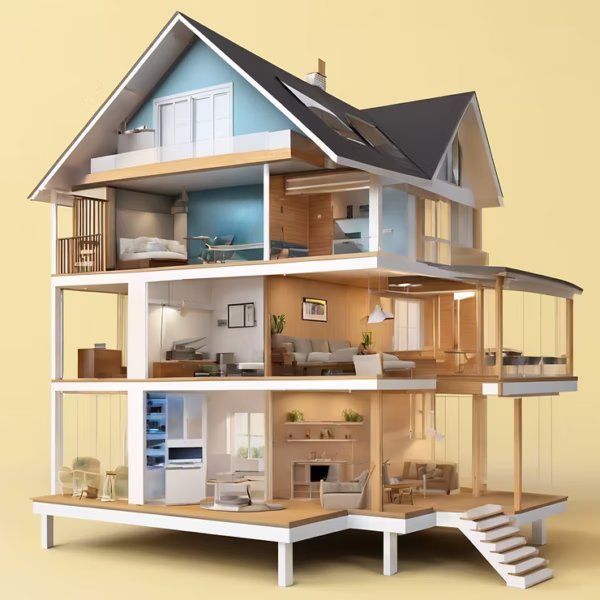
As a home inspector, I often remind homeowners—whether they’re buying a new home or maintaining the one they already have—that no house is perfect. Every property comes with its own set of issues, big or small. The key isn’t finding a home without problems (because they all have them), but rather deciding which problems you’re willing to deal with and understanding that there’s always a solution.
Part of a home inspector’s job is to help you make informed decisions about your investment by pointing out the things that might not be obvious. A house may look beautiful on the surface, but it’s what’s hidden beneath that can really affect your long-term comfort and expenses. Whether you’re purchasing or simply looking to stay on top of maintenance, here are five critical areas every homeowner should pay close attention to before moving forward.
1. HVAC System
Heating, ventilation, and air conditioning (HVAC) systems are crucial for maintaining a comfortable living environment. Unfortunately, many homebuyers overlook these systems because they don’t understand them, and only notice them when something goes wrong.
During an inspection, the age, condition, and efficiency of the HVAC system is assessed. A neglected or outdated system can lead to high energy bills, poor indoor air quality, or costly repairs.
Knowing the condition of the HVAC system before purchasing can save you a lot of headaches (and money) down the line, or help you budget for eventual replacement.
2. Electrical System
The electrical system is a critical component of any home that should not be overlooked. Homes built between the 1960s and 1970s often feature aluminum wiring, which poses significant safety hazards, including an increased risk of electrical fires and overheating due to its tendency to expand and contract, leading to loose connections. Additionally, outdated breaker panels and inadequate electrical capacity can result in overloaded circuits, further raising the risk of fire.
A thorough home inspection should include a careful assessment of the electrical system to ensure it meets modern safety standards. Identifying the need for electrical upgrades is crucial, as these costs should be factored into the overall buying decision to avoid unexpected expenses after moving in. Understanding the condition of the electrical system is essential for making an informed investment in a home.
3. Plumbing
The plumbing system is one of the most critical areas in a home, yet it often harbors hidden issues that can go unnoticed until it’s too late. Common problems like leaky pipes, poor water pressure, and outdated materials can lead to significant water damage, mold growth, and costly repairs. Homes may have various types of plumbing materials, including copper, PVC, and PEX, but some older properties may still contain polybutylene pipes, which are known for their propensity to fail.
Home Inspections should check for signs of leaks, water stains, and drainage issues. Additionally, assessing water quality is essential; outdated or damaged pipes can affect the safety and taste of your drinking water. Understanding the condition of your plumbing system is crucial for avoiding unexpected repair bills and ensuring your home’s water systems provide clean, reliable service. By being proactive about plumbing maintenance and repairs, you can enjoy peace of mind in your new home.
4. Foundation
The foundation is one of the most critical elements of a home, as it supports the entire structure. Inspecting the foundation before buying is essential because any issues, like cracks, shifting, or settling, can lead to significant structural problems down the line.
A damaged foundation can cause uneven floors, misaligned doors and windows, or even water intrusion, all of which can lead to expensive repairs. By thoroughly inspecting the foundation, you can identify potential red flags early on and avoid costly surprises after purchasing the home. It’s a key step in protecting your investment and ensuring the home’s long-term stability.
5. Roof
The roof is a vital component of any home, serving as the first line of defense against the elements and protecting your property from costly repairs down the line. During an inspection, make sure your inspector assesses the condition of the shingles, flashing, gutters, and the overall structure. It’s important to note that some roofs may have multiple layers of shingles, which can lead to problems such as inadequate drainage and increased weight. If the roof has rotten plywood beneath the shingles, it can compromise the entire roofing system, and be a major unknown cost at time of replacement.
There are various types of shingles, each with different lifespans—typically, asphalt shingles last around 15 to 30 years, while metal roofs can last 40 to 70 years. A damaged or aging roof can lead to leaks, water damage, and mold, which can quickly turn your dream home into a financial burden. Before making a purchase, ensure you know when the roof was last replaced and ask about its expected lifespan to make a well-informed decision.
6. Insulation
Insulation may not be the most exciting aspect of a home, but it plays a crucial role in energy efficiency and comfort. Proper insulation helps maintain stable temperatures throughout the year, significantly reducing heating and cooling costs.
During a home inspection, it’s important to check for signs of poor insulation, particularly in the basement, attic, and crawl spaces, even if the insulation within the walls cannot be directly inspected. Indicators such as cold spots, drafts, and condensation may suggest inadequate insulation, which can lead to higher energy bills and an uncomfortable living environment.
You can also look for visual cues on the roof itself. Patches that melt faster than others or areas that don’t show frost during colder months may indicate heat escaping from the home, pointing to insulation issues. Additionally, moisture buildup or mold growth can signal that the insulation isn’t performing as it should.
In new construction, insulation can be evaluated as part of the overall inspection, while in older homes, assessing the condition of insulation is vital for ensuring ongoing comfort and efficiency. By focusing on insulation, home inspections can help homeowners identify potential problems before they become costly issues.
Why Home Inspection Matters
For new homeowners, understanding the condition of these five key areas isn’t just about negotiating a better price—it’s about knowing what you’re stepping into. Even if you don’t address these areas in the home buying process, regular maintenance of the roof, HVAC, electrical, plumbing, foundation and insulation will ensure your home stays in good condition for years to come.
A thorough home inspection can provide you with a clear picture of any upcoming repairs or upgrades, helping you budget appropriately and avoid any unpleasant surprises after the sale.
When buying a home, it’s easy to get caught up in the aesthetics, but remember that these critical systems are what keep your home safe, efficient, and comfortable. That’s why a detailed home inspection is essential before you make your purchase—so you can move in with confidence and peace of mind.